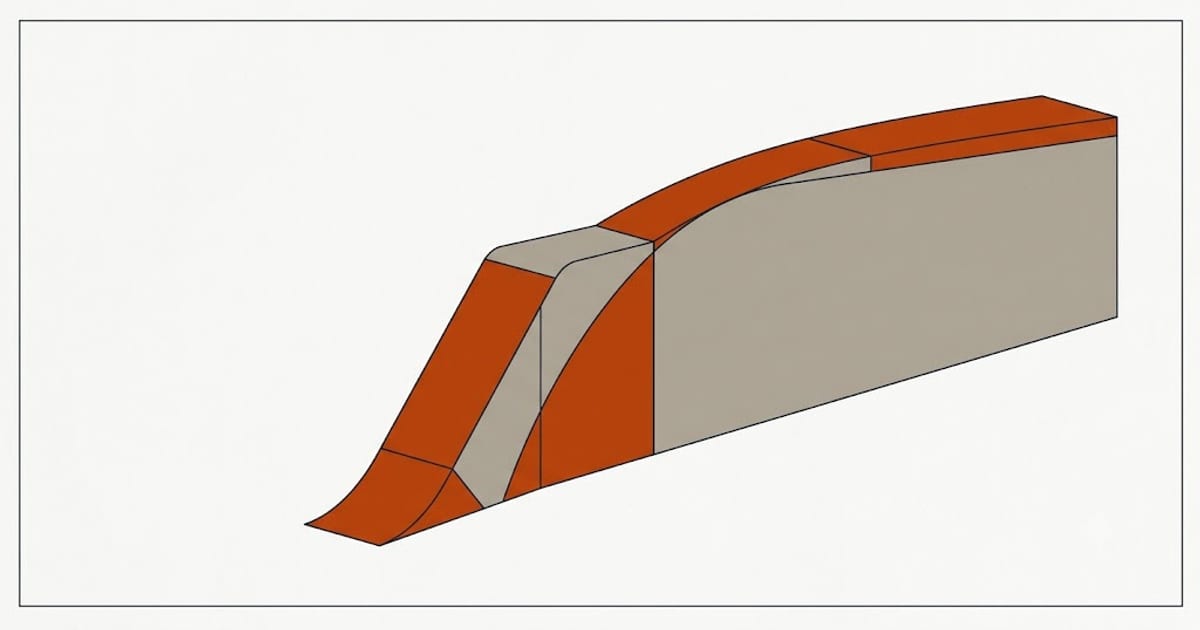
Latex paint dries and cures by two different mechanisms, and they happen on completely different timescales.
Drying is water leaving. That is fast — an hour, often less.
Curing is the acrylic particles coalescing into a continuous film and cross-linking. That takes two to four weeks, and until it is finished the paint is soft.
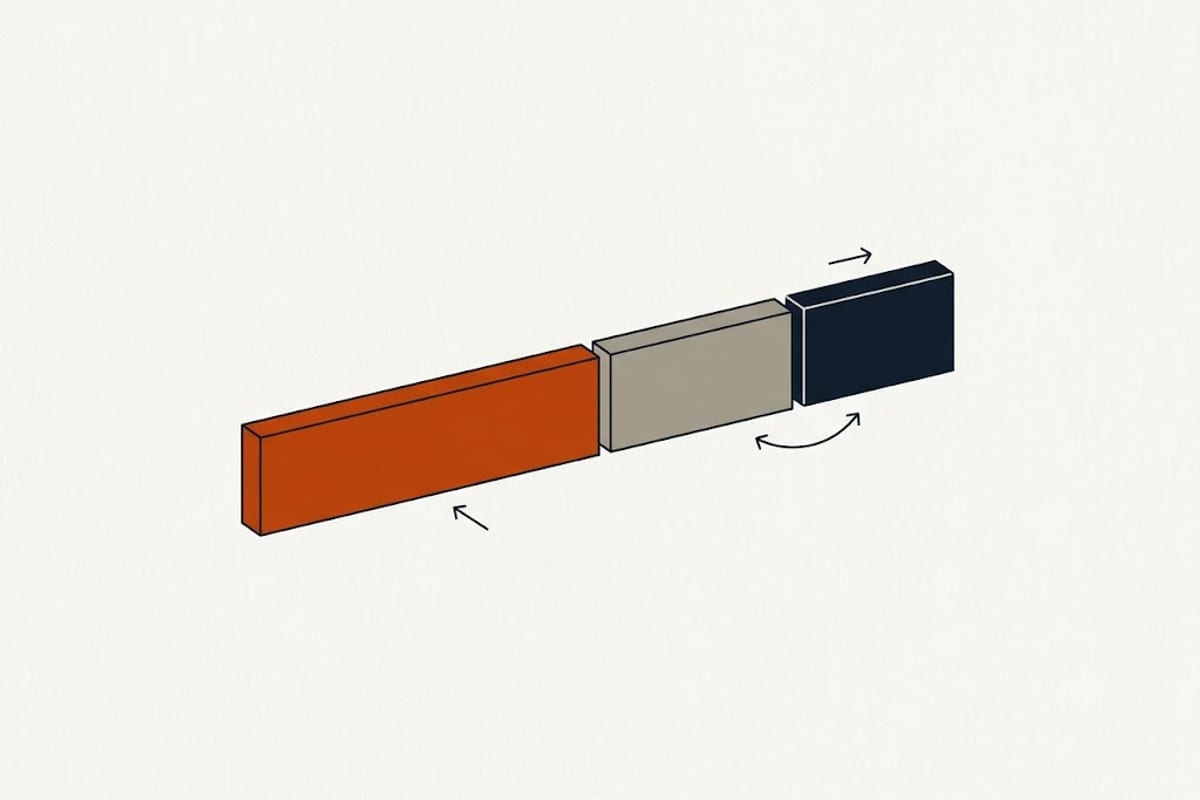
The three milestones
Dry to touch — 30 minutes to 1 hour. Will not transfer to a finger.
Recoat — typically 4 hours for latex, and the number on the can is a minimum, not a target. Recoating too early traps water under the second coat, and the result is a film that stays soft for far longer, or that lifts when the second coat is rolled.
Cured — 2 to 4 weeks at normal temperature and humidity, and longer in cold or damp conditions. Deep colours and high-quality enamels are at the long end.
What can go wrong during the gap
Every one of these is a common complaint, and all of them are the same cause.
Blocking — two painted surfaces pressed together stick to each other. A freshly painted door closed against its freshly painted jamb bonds along the contact line and tears when opened. Leave doors ajar for several days, and where that is impossible, wax paper along the stop.
Print — a permanent mark from something resting on the surface. Shelf liner, a rug against a baseboard, a plate on a cabinet shelf. Weeks later the impression is still there.
Easy marking. Uncured paint scuffs from ordinary contact that a cured film would shrug off.
Cleaning damage. Washing new paint before it has cured takes the surface off. Wait the full cure before wiping anything, and then use a soft cloth and mild detergent.
Where waiting matters most
Cabinet doors and drawer fronts. These are the worst case — two coated surfaces in constant contact under spring pressure, handled every day. Reinstalling hardware and hanging doors the same day is how a cabinet job ends up with the paint pulled off the edges.
Doors and windows, for the same reason.
Shelves, where anything placed on them will print.
Floors and stair treads, where cure time is the whole schedule.
Temperature and humidity change everything
Cold slows coalescence sharply. Below the paint's minimum application temperature — commonly around 50°F, lower for some modern formulations — the film never forms properly at all, and the failure is permanent rather than delayed.
High humidity slows water leaving, so the drying stage stretches out and the recoat window moves with it.
Both are worse in an unheated space, which is why exterior work late in the season and garage or basement work in winter carry the most cure-related failures.
Oil-based is the opposite trade
Alkyd and oil paints cure by oxidation rather than coalescence. They are slower to dry — often 8 to 24 hours before recoat — but they reach a harder final film, and the hardness arrives sooner after drying than latex hardness does.
That is why oil enamels persisted so long on trim and cabinets, and why the modern replacement is a waterborne alkyd, which behaves like latex during application and cures harder like an oil.
The practical rule
Treat freshly painted surfaces as delicate for two weeks, and as fully durable at four. Plan the schedule so that anything under pressure or in contact — doors, cabinets, shelves — gets the longest possible gap before it is put back into service.
The paint is not defective. It is simply not finished yet, and there is no way to hurry it.