Primer & Sealer
When primer is a separate coat, and when it is a waste of a day.
Primer is not thin paint. It is a different product with a different job, and the reason most repaint jobs do not need it is that the job it does was already done once.
What it is for
Three things, and a surface needs primer if it needs any one of them:
Sealing porosity. New drywall, bare wood, patched compound and fresh masonry drink paint unevenly. Paint applied straight onto them soaks in at different rates and dries to a patchy sheen no second coat fixes.
Adhesion. Glossy, chalky or slick surfaces give topcoat nothing to hold. A bonding primer builds the mechanical key.
Blocking. Tannins from cedar, redwood and knotty pine bleed through latex as brown stains. So do smoke, water stains and marker. These need a shellac or oil-based stain-blocking primer — a latex primer over a water stain is a water stain in a week.
When you can skip it
Repainting a sound, clean, previously painted interior wall in a similar color and the same sheen. That wall is already sealed. Two coats of a quality paint outperform primer plus one coat, and cost less.
Which primer
| Surface | Primer |
|---|---|
| New drywall | PVA drywall primer, or high-build for level 5 |
| Bare softwood, knots | Shellac-based |
| Bare hardwood, trim | Oil or waterborne enamel undercoat |
| Chalky exterior | Oil-based penetrating |
| Glossy existing paint | Bonding primer |
| Water or smoke stain | Shellac-based, spot only |
| Bare masonry, stucco | Masonry / alkali-resistant |
PVA drywall primer is cheap and correct on new board and wrong almost everywhere else — it has minimal blocking and poor adhesion over gloss.
Tinting
Tint the primer toward the topcoat when the topcoat is a deep or saturated color. Deep bases carry little white pigment and hide poorly; over white primer a red or deep blue can take three or four coats to look even. Over a gray-tinted primer it takes two.
Most stores will tint primer to 50% of the topcoat formula at no charge, and it saves a whole coat of the most expensive paint in the store.
Coverage
Primer covers 200–300 ft² per gallon on new drywall — meaningfully less than paint's 350–400, because the substrate is absorbing it. That is the point, and estimating primer at paint coverage is how a job runs short at the far wall.
Painting over gloss without sanding
A deglosser or a bonding primer will do it, and both work. Neither works over a surface that is also dirty — degreasing comes first, and on kitchen trim it is the step that decides whether the paint stays on.
4 articles
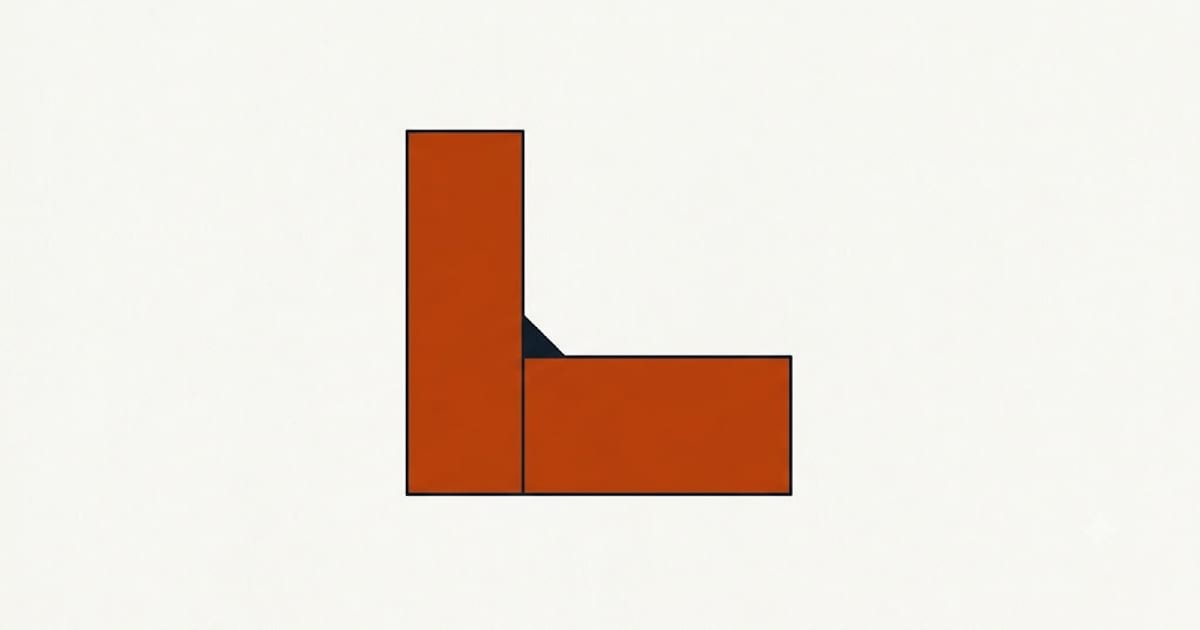 Caulk Before or After Primer — Prime First, Then Caulk
Caulk applied to bare wood loses its grip as the wood absorbs the solvent out of it. The joint opens within a season, and it looks like bad caulk.
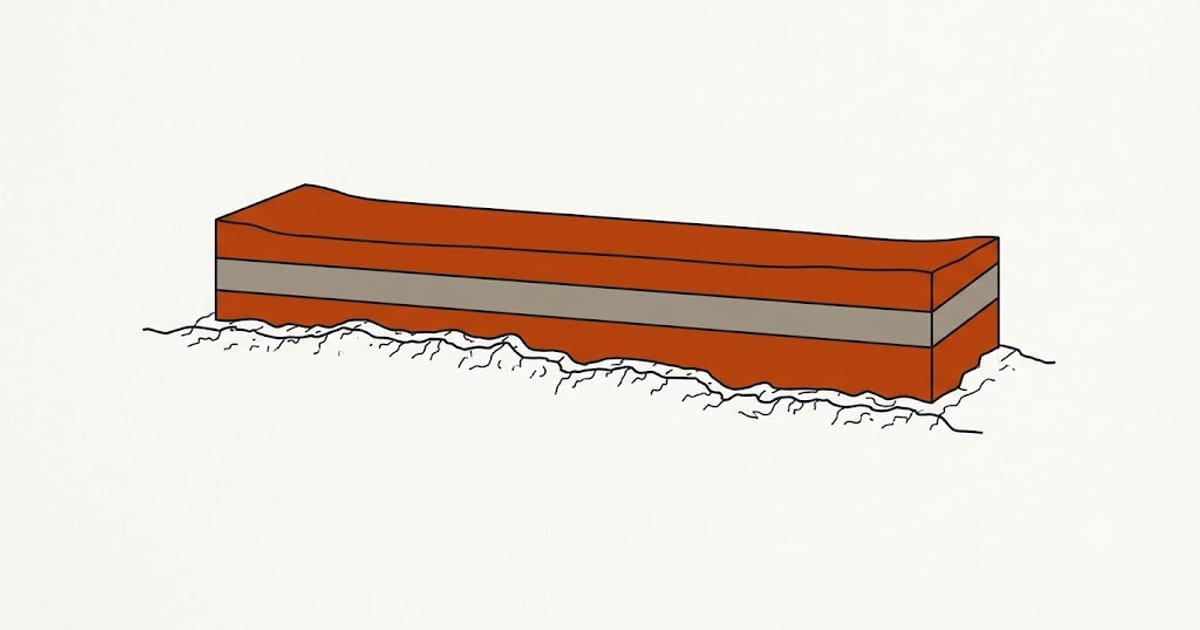 Do I Need Primer? Five Situations Where Yes, and One Where It Is a Wasted Day
Primer is not weaker paint. It does a different job, and on new drywall the job it does cannot be done by any number of finish coats.
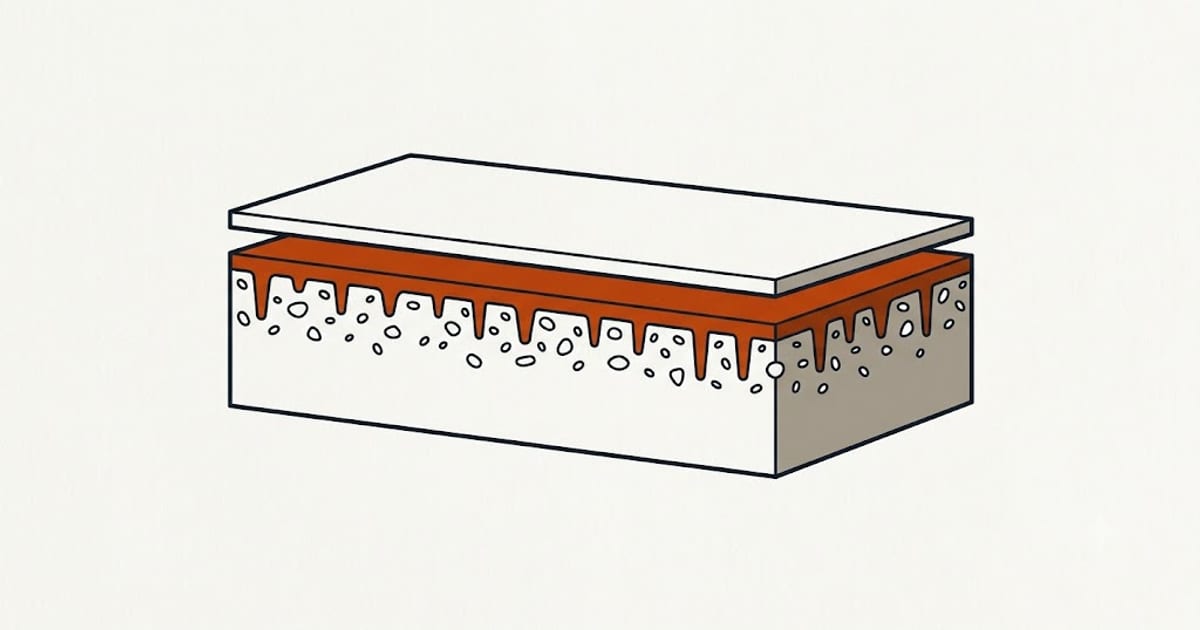 How Much Primer per Gallon of Paint: Coverage Rates by Substrate
Primer covers less than paint because being absorbed is its job. Estimating it at paint rates is how a job runs short on the last wall of the first day.
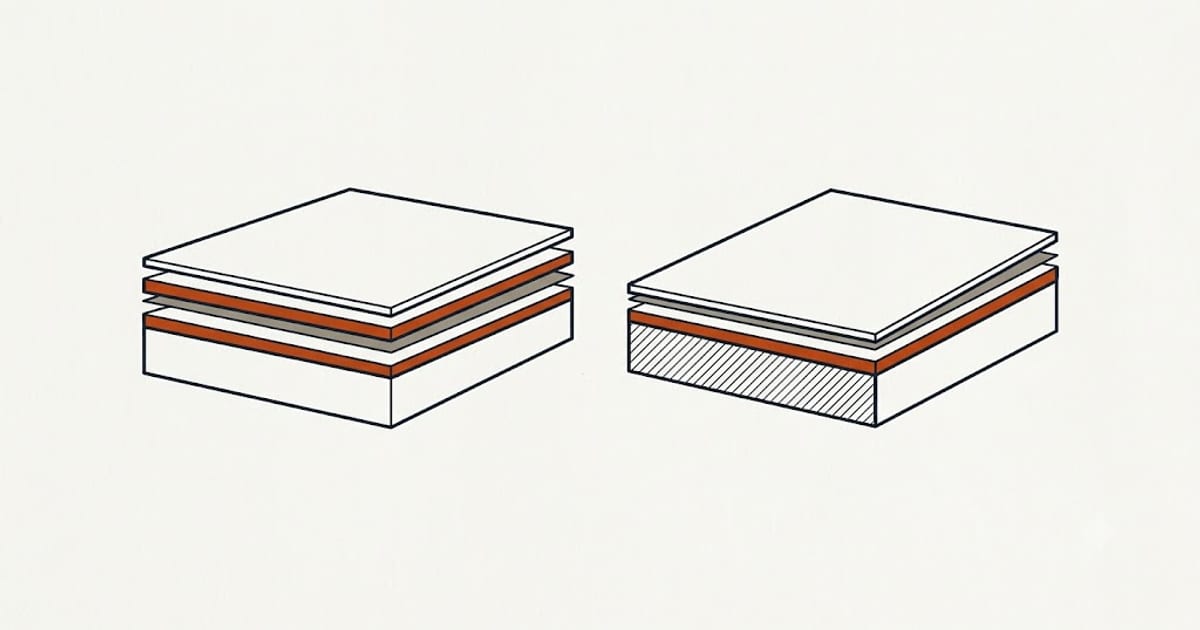 Tinted Primer for Dark Colors: The Free Upgrade That Removes a Coat
Deep bases carry almost no white pigment, which is why a red takes four coats over white primer and two over grey. Most stores tint the primer at no charge.