Exterior & Siding
Coverage by siding type — texture changes the spread rate more than the brand does.
Exterior paint quantities are decided by texture, and the gap between surfaces is far wider than the gap between brands.
Smooth fiber cement takes about 350 ft² per gallon. Lap siding 275, because every board has an underside the roller has to reach. Grooved or shiplap 225. T1-11 plywood 200. Stucco 160. Bare brick 125, because the mortar joints drink more than the brick does.
The "400 square feet" on the tin is measured on smooth primed drywall. It is the best case and it is never the case outdoors.
Two weather limits matter more than the gallon count
Surface temperature must stay above about 10 °C for the whole cure, not just while you are painting. A warm afternoon followed by a cold night gives a film that never properly coalesces, and it comes off in sheets the following spring.
Dew point matters as much as rain. Early-morning painting on a clear autumn day fails constantly for exactly this reason — the siding is wet with dew you cannot see.
Wash first, and then wait
Paint over chalky or dirty siding fails at the interface however good the paint is. Pressure-washed wood needs two or three dry days; a moisture meter reading under 15% is the honest test, not "it looks dry".
Back-roll anything you spray
Spraying lays paint on the surface. Back-rolling works it into the grain and the grooves. On textured siding that is the difference between six years and twelve.
Primer is a separate coat where the surface is porous
Brick, stucco and T1-11 need it, and on masonry a dedicated primer also seals the alkalinity that otherwise burns through the topcoat as patchy discoloration months later. On sound painted siding, spot-prime repairs instead.
7 articles
Exterior paint for 180 ft of shiplap siding at 10 ft high, 2 coats
| Paint | 13.36gal |
|---|---|
| What to buybuckets pay from about 3.6 gal up | 3 × 5 gal |
| Wall area180 ft perimeter × 10 ft, less 10 windows and 2 doors | 1,608ft² |
| Spread ratethe grooves are extra surface, and they hold paint unevenly | 225ft²/gal |
| First coat | 7.15gal |
| Each later coat15% further on a sealed surface | 6.21gal |
| Doubling the first coat would say0.93 gal more than needed | 14.29gal |
Notes
- Surface texture, not brand, decides the spread rate. Grooved or shiplap siding takes about 225 ft² per gallon — the grooves are extra surface, and they hold paint unevenly. The same house in smooth fibre cement would take 4.59 gal per coat against 7.15 here.
- Two weather limits matter more than the gallon count. Surface temperature must stay above about 10 °C for the whole cure, not just while you are painting — a warm afternoon followed by a cold night gives a film that never coalesces. And the surface has to be dry: dew point matters as much as rain, which is why early-morning painting on a clear autumn day so often fails.
- On grooved or shiplap siding in sound condition, spot-prime bare and repaired areas rather than priming the whole wall. A full prime coat here buys very little.
- Wash it first, and let it dry properly. Paint over chalky or dirty siding fails at the interface no matter how good the paint is, and pressure-washed wood needs two or three dry days before it is ready — a moisture meter reading under 15% is the honest test.
- Back-roll anything sprayed. Spray alone lays the paint on the surface; back-rolling works it into the grain and the grooves, and on grooved or shiplap siding that is the difference between six years and twelve.
- Buy it all at once and box it. Exterior walls are seen in full sun from a distance, which is the least forgiving lighting there is for a batch difference.
Exterior paint
504 calculations · browse all
- Exterior paint for 80 ft of smooth fibre cement at 9 ft high, 1 coats
- Exterior paint for 80 ft of stucco at 10 ft high, 1 coats
- Exterior paint for 80 ft of T1-11 siding at 20 ft high, 1 coats
- Exterior paint for 90 ft of lap siding at 10 ft high, 1 coats
- Exterior paint for 90 ft of smooth fibre cement at 20 ft high, 1 coats
- Exterior paint for 100 ft of stucco at 9 ft high, 1 coats
- Exterior paint for 100 ft of T1-11 siding at 18 ft high, 1 coats
- Exterior paint for 110 ft of lap siding at 9 ft high, 1 coats
- Exterior paint for 110 ft of smooth fibre cement at 18 ft high, 1 coats
- Exterior paint for 110 ft of stucco at 20 ft high, 1 coats
- Exterior paint for 120 ft of T1-11 siding at 10 ft high, 1 coats
- Exterior paint for 120 ft of lap siding at 20 ft high, 1 coats
- Exterior paint for 130 ft of smooth fibre cement at 10 ft high, 1 coats
- Exterior paint for 130 ft of stucco at 18 ft high, 1 coats
- Exterior paint for 140 ft of T1-11 siding at 9 ft high, 1 coats
- Exterior paint for 140 ft of lap siding at 18 ft high, 1 coats
- Exterior paint for 150 ft of smooth fibre cement at 9 ft high, 1 coats
- Exterior paint for 150 ft of stucco at 10 ft high, 1 coats
- Exterior paint for 150 ft of T1-11 siding at 20 ft high, 1 coats
- Exterior paint for 160 ft of lap siding at 10 ft high, 1 coats
- Exterior paint for 160 ft of smooth fibre cement at 20 ft high, 1 coats
- Exterior paint for 170 ft of stucco at 9 ft high, 1 coats
- Exterior paint for 170 ft of T1-11 siding at 18 ft high, 1 coats
- Exterior paint for 180 ft of lap siding at 9 ft high, 1 coats
- Exterior paint for 180 ft of smooth fibre cement at 18 ft high, 1 coats
- Exterior paint for 180 ft of stucco at 20 ft high, 1 coats
- Exterior paint for 190 ft of T1-11 siding at 10 ft high, 1 coats
- Exterior paint for 190 ft of lap siding at 20 ft high, 1 coats
- Exterior paint for 200 ft of smooth fibre cement at 10 ft high, 1 coats
- Exterior paint for 200 ft of stucco at 18 ft high, 1 coats
- Exterior paint for 210 ft of T1-11 siding at 9 ft high, 1 coats
- Exterior paint for 210 ft of lap siding at 18 ft high, 1 coats
- Exterior paint for 220 ft of smooth fibre cement at 9 ft high, 1 coats
- Exterior paint for 220 ft of stucco at 10 ft high, 1 coats
- Exterior paint for 220 ft of T1-11 siding at 20 ft high, 1 coats
- Exterior paint for 230 ft of lap siding at 10 ft high, 1 coats
- Exterior paint for 230 ft of smooth fibre cement at 20 ft high, 1 coats
- Exterior paint for 240 ft of stucco at 9 ft high, 1 coats
- Exterior paint for 240 ft of T1-11 siding at 18 ft high, 1 coats
- Exterior paint for 250 ft of lap siding at 9 ft high, 1 coats
- Exterior paint for 250 ft of smooth fibre cement at 18 ft high, 1 coats
- Exterior paint for 250 ft of stucco at 20 ft high, 1 coats
- Exterior paint for 260 ft of T1-11 siding at 10 ft high, 1 coats
- Exterior paint for 260 ft of lap siding at 20 ft high, 1 coats
- Exterior paint for 270 ft of smooth fibre cement at 10 ft high, 1 coats
- Exterior paint for 270 ft of stucco at 18 ft high, 1 coats
- Exterior paint for 280 ft of T1-11 siding at 9 ft high, 1 coats
- Exterior paint for 280 ft of lap siding at 18 ft high, 1 coats
 How Long Exterior Paint Lasts — Prep Decides It, Not the Paint
The same paint on the same house lasts twice as long on the north wall as the south. That tells you what is actually wearing it out.
 Best Temperature to Paint Outside — the Overnight Low Matters More Than the Afternoon
A warm afternoon followed by a cold night gives a film that never properly forms. It looks fine in October and comes off in sheets in March.
 Cost to Paint Exterior Siding by Material and Storey Count
Exterior prep is half the invoice and the entire reason one job lasts twelve years and the next one peels in three.
 Paint the Siding or Replace It: The Twenty-Year Comparison
Painting is a quarter the cost and lasts a fifth as long. That makes it close on money and decisive on everything else — as long as the substrate underneath is sound.
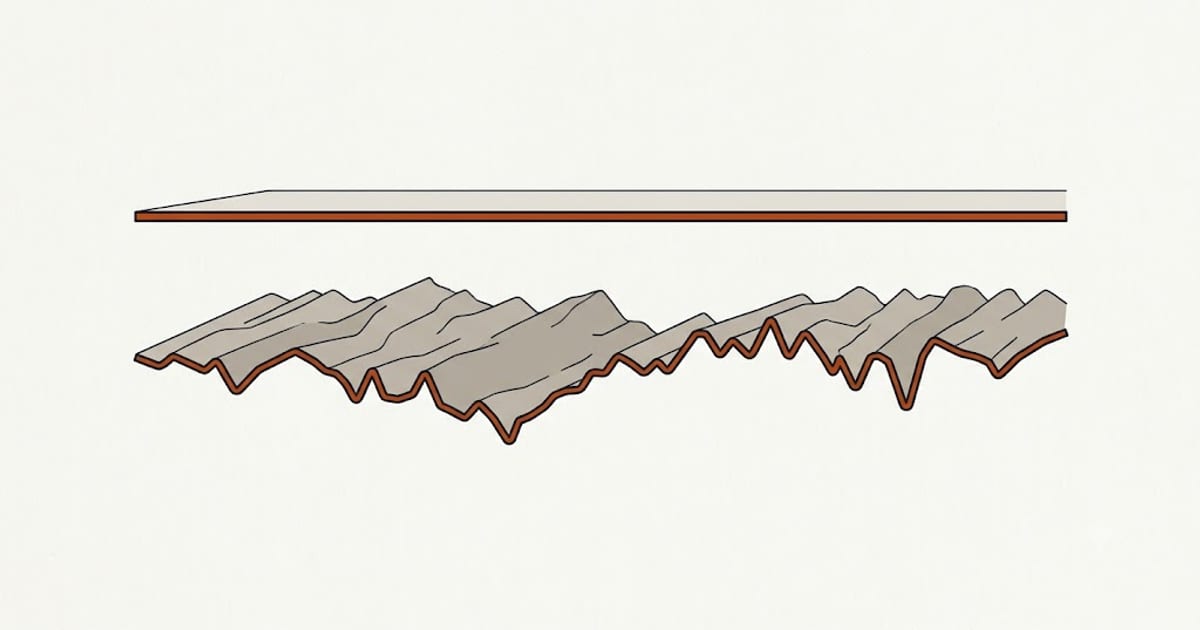 Paint Coverage on Stucco and Brick: Why the Gallon Goes Half as Far
A gallon rated at 400 square feet covers 150 on heavy stucco. The rating is honest — the wall simply has three times the surface a flat wall does.
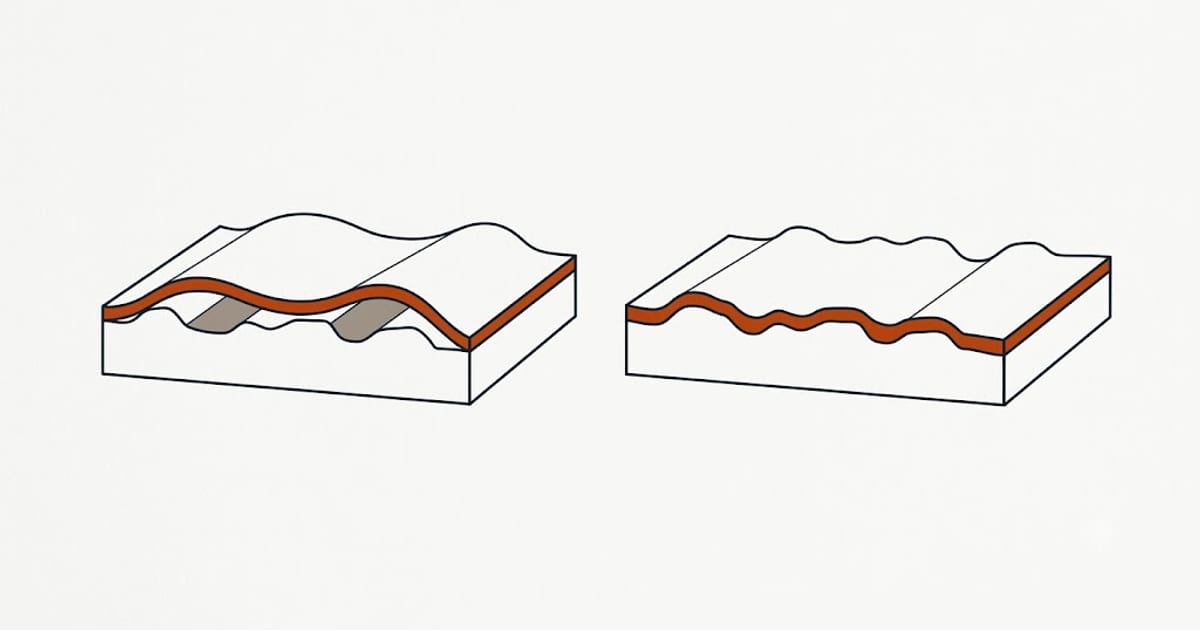 Spray or Roll Exterior Paint: Speed, Extra Material, and Why Back-Rolling Matters
Spraying is three to four times faster and uses a third more paint. Neither of those is the important number — the important one is whether the film keys into the surface.
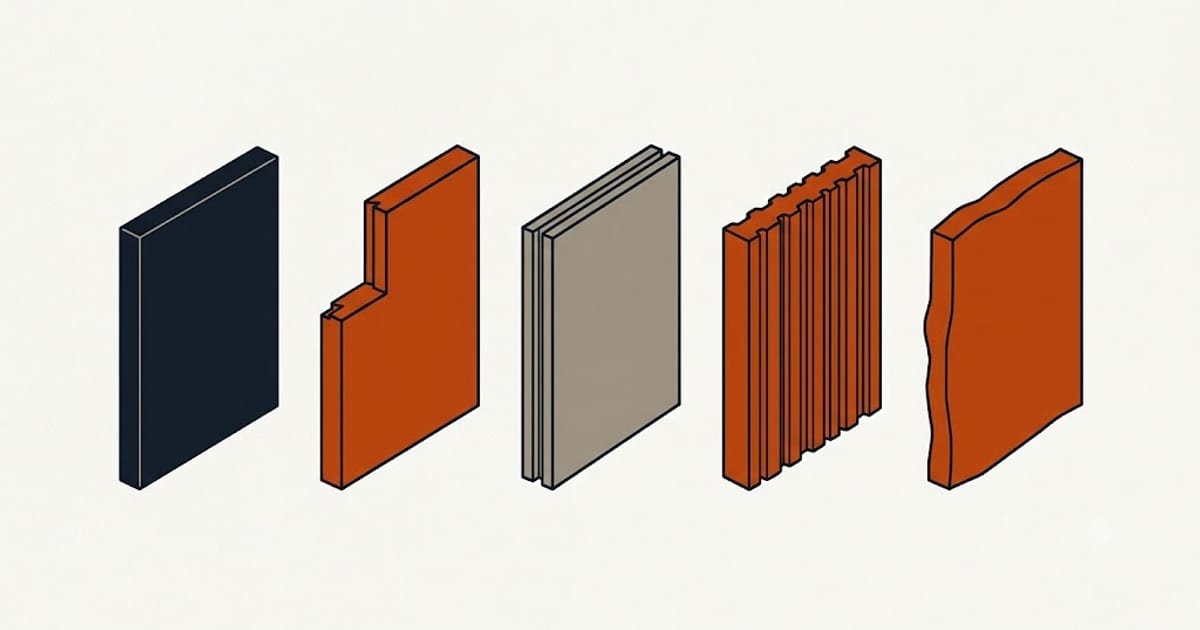 How Much Exterior Paint — Texture Decides It, Not Brand
The gap between smooth fibre cement and bare brick is nearly three to one. The gap between the cheapest and dearest paint is nothing like that.